Category: Tips

  • 4 Sectors, the Same Respect and Connection: Discover Our Services

    4 Sectors, the Same Respect and Connection: Discover Our Services

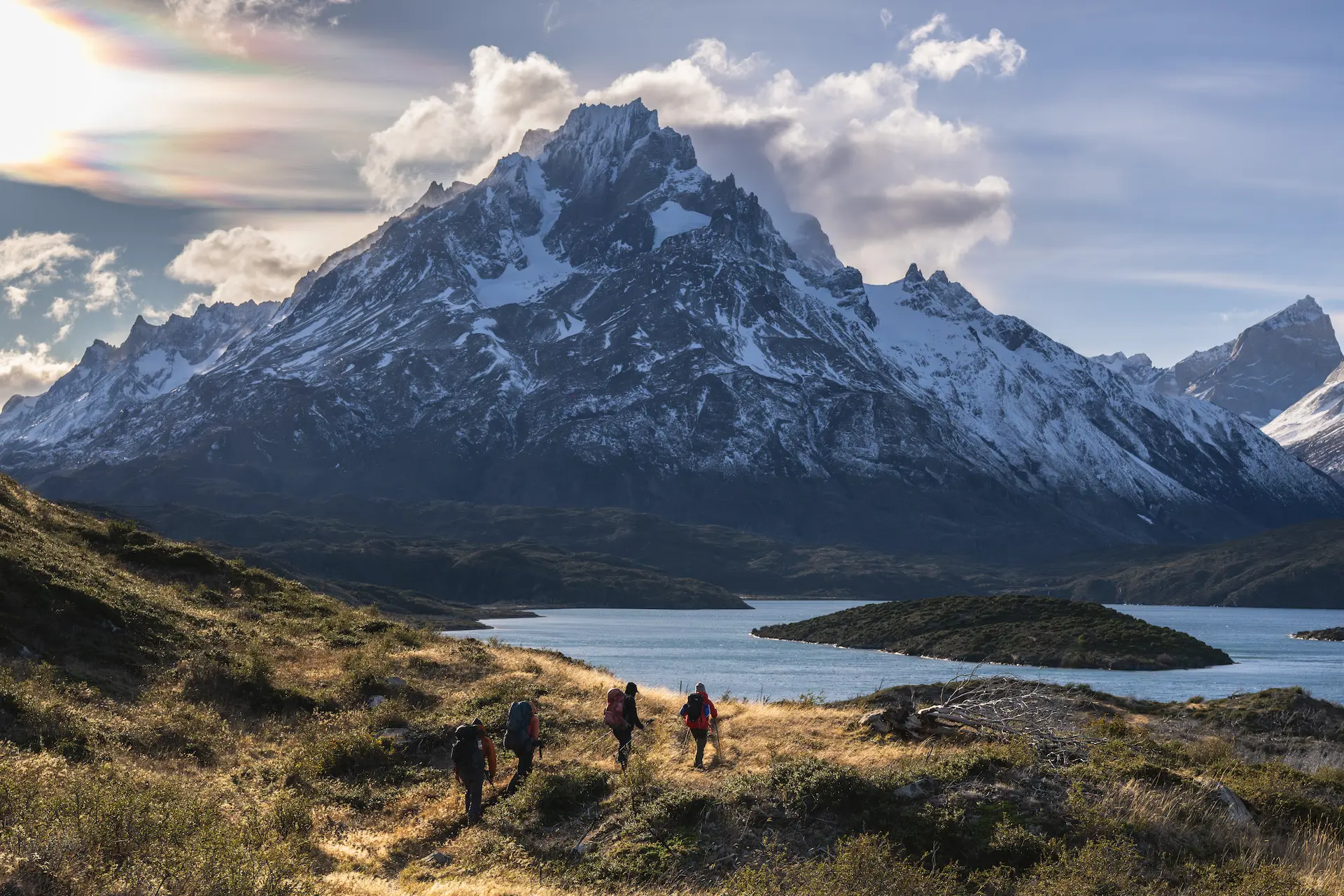
    Experiencing the majesty of Torres del Paine National Park requires two essential elements: Respect for the immensity of the wild nature and deep Connection with its environment. At VERTICE, we have designed a comprehensive experience across our four sectors—Paine Grande, Grey, Los Perros, and Dickson—so your only focus is enjoying a safe trekking experience.

    With an approach centered on traveler well-being, here are the standard services available at our facilities to make your journey comfortable, safe, and memorable:

    1. Accommodation:

    • Lodges (Refugios): We offer mixed shared rooms equipped with bunk beds and lockers for your belongings. You can opt for a “simple bed” if you prefer to use your own sleeping bag, or a “fully equipped bed” which includes sheets, a duvet, and a pillow so you can hike without extra weight.
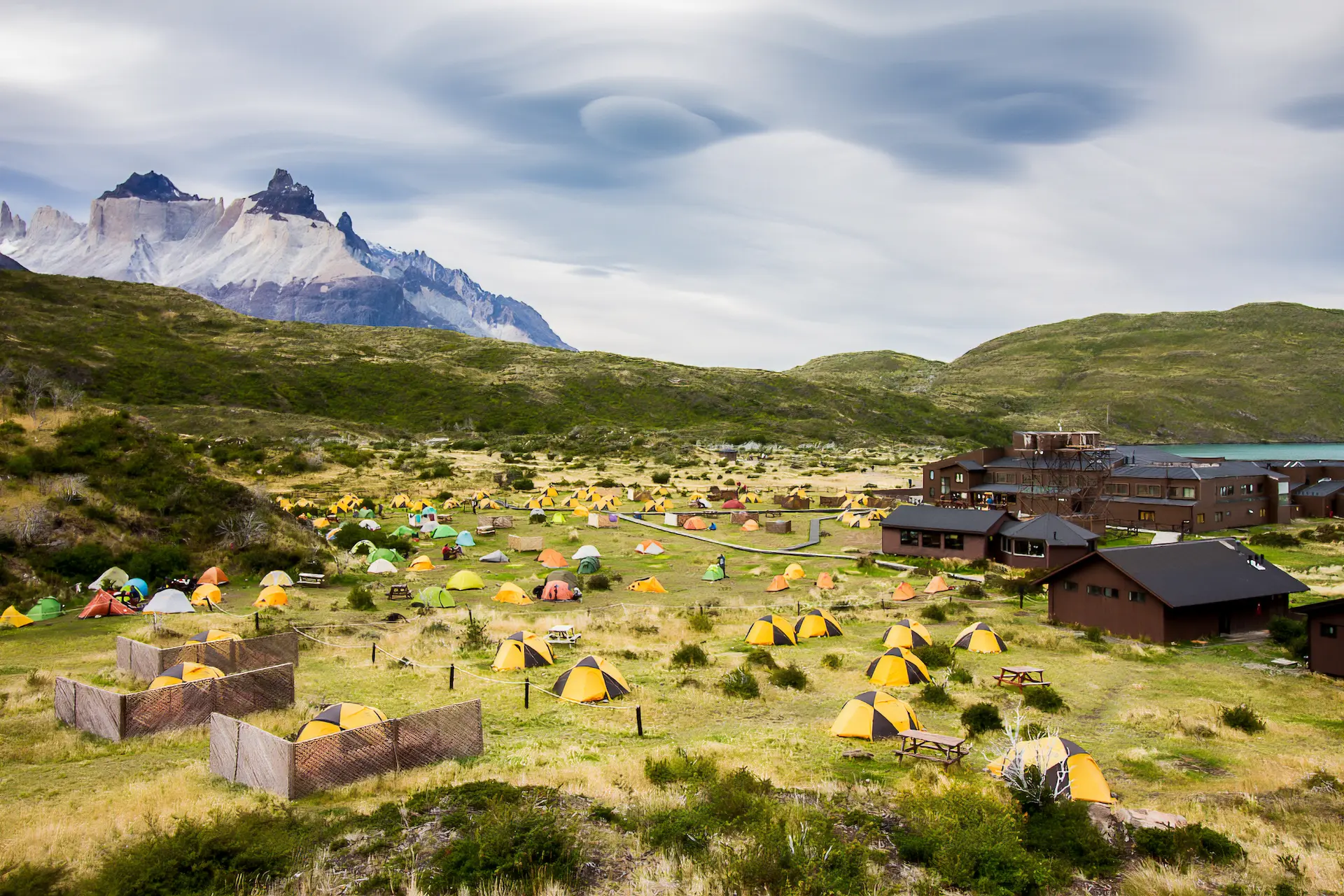
    • Campings: We have designated sites available with the option to rent complete mountain equipment. To help you travel light, we offer pre-pitched 4-season tents, sleeping bags adapted to the local weather, and high-density sleeping pads.

    2. Dining:

    • Restaurant (excludes Los Perros): We offer full board or half board programs. Enjoy an American-style buffet breakfast, dinners featuring a high-calorie menu designed for trekkers, and practical boxed lunches to take on your hike. We also cater to vegan, vegetarian, and gluten-free diets upon advance notice.
    • Bar and Mini-market (bar excludes Los Perros): Unwind at the end of the day in our bars, or visit our mini-market, where you will find coffee, groceries, energy bars, souvenirs, and mountain gear.
    • Cooking Shelters (Quinchos): Enclosed, wind-protected areas designed exclusively for campers to safely prepare their own meals.

    3. Facilities and Extras:

    • Hygiene: All of our sectors feature shared bathrooms with sinks, toilets, and hot water showers.
    • Lounge Areas: Dedicated spaces exclusively for lodge guests, equipped with wood-stove heating and sofas to relax after a long day of trekking (excludes Los Perros).
    • Logistics and Connectivity: We provide electricity during scheduled hours to charge devices, paid Wi-Fi connection (via PayPal) for those needing to stay in touch, and a convenient luggage storage service.

    At VERTICE, our commitment is to provide you with the necessary comfort while always promoting Respect for the ecosystem and Connection with Patagonia. See you on your next adventure!
  • How much budget should I consider for traveling to Torres del Paine

    How much budget should I consider for traveling to Torres del Paine

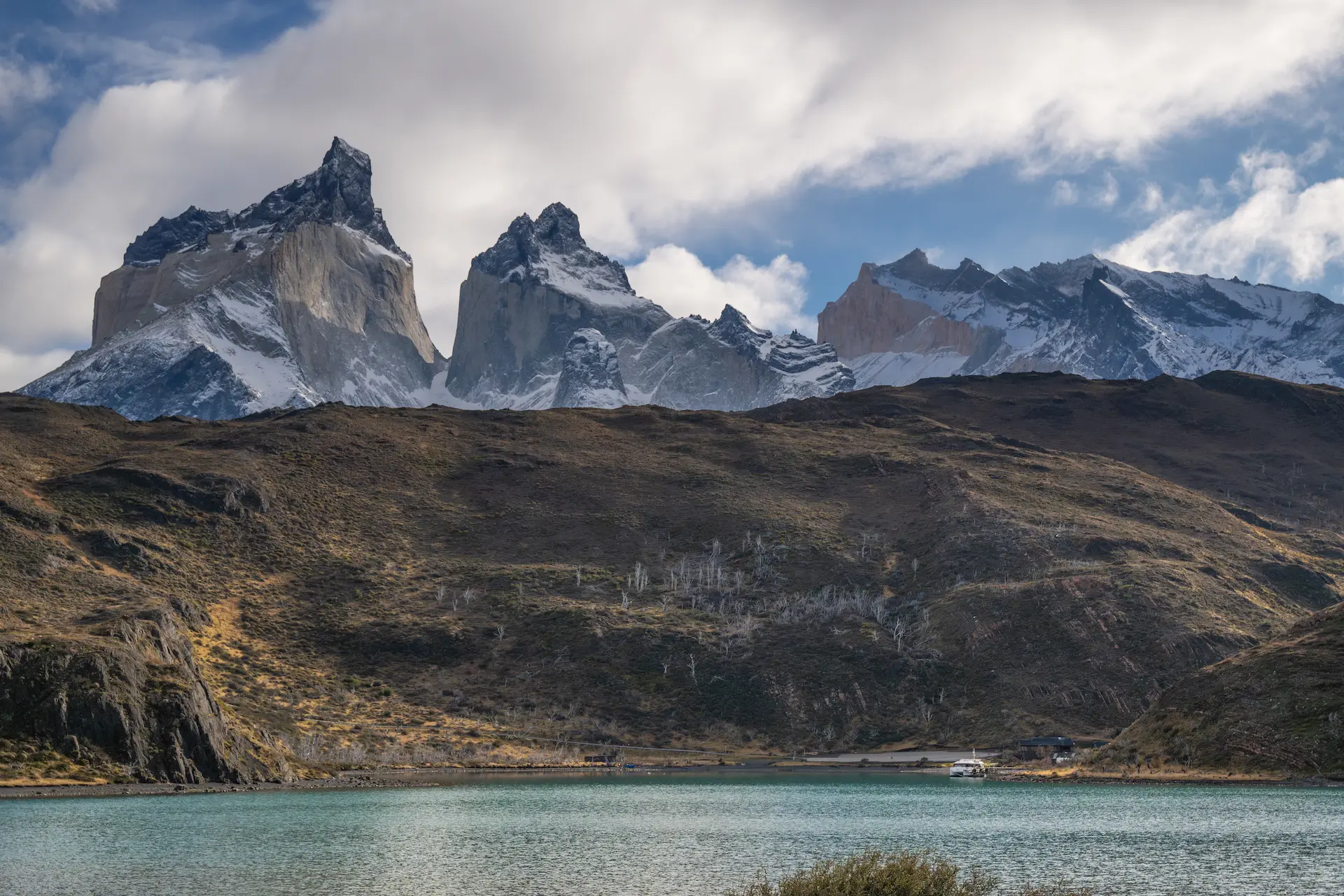
    If you are reading this, it is because the call of Patagonia has already resonated with you and you are eager to take the next step. Below, we break down how much it really costs to do the W Trek or the Paine Massif Circuit (O), so you can live that experience of respect and connection that you desire so much.

    Base Expenses: Entrance Fee and Transportation

    Before hitting the trails, there are unavoidable logistical expenses to get to and access the National Park.

    • Park Entrance (CONAF): Varies depending on your nationality and the number of days. For multi-day circuits, Chilean citizens must consider a pass that costs $14,200 CLP per adult, while for foreigners, the multi-day pass is around $52 USD.
    • Transportation (Puerto Natales – Torres del Paine): Regular round-trip buses cost approximately $17,000 CLP (around $18.2 USD).
    • Pehoé Catamaran: Essential for connecting certain points in the park (such as Pudeto and Paine Grande). Its cost is usually around $35,000 CLP ($40 USD) each way.

    Budget for the W Trek (5 Days / 4 Nights)

    The W Trek is the undisputed classic. It connects the Base of the Towers, the French Valley, and the imposing Grey Glacier.

    If you are looking for a total connection experience without worrying about the logistics of carrying food, setting up tents, or coordinating transportation tickets, VERTICE’s all-inclusive self-guided programs are the best investment. These packages include transportation, entrance fees, catamaran, accommodation, and all meals (breakfast, box lunch, and dinner).

    • Price from: $1,123,000 CLP ($1,707 USD)

    Budget for the Paine Massif Circuit (8 Days / 7 Nights)

    For the most adventurous spirits, the O Circuit circles the entire massif. It is a test of endurance and respect for the mountain that rewards you with views of the Southern Patagonian Ice Field from the legendary John Garner Pass.

    Due to the demands of this route, having guaranteed rest and meals at every campsite and refuge is vital. VERTICE’s classic 8-day program, which handles all the heavy logistics for you, is structured as follows:

    • Price from: $1,892,000 CLP ($2,629 USD)

    Preparing your budget is the first step to making the trip of your life a reality. Patagonia demands respect, but in return, it gives you infinite experiences.

  • Responsible Tourism Guide: The art of visiting without leaving a trace

    Responsible Tourism Guide: The art of visiting without leaving a trace

    Coming to Torres del Paine is a dream come true. But dreams, in order to stay alive, need care. At Vertice, we believe that a true connection with nature is only possible when there is absolute respect for its rules.

    We are not the owners of this landscape; we are visitors. That is why we have designed this blog as a roadmap so that your journey through our trails and shelters serves as an example of environmental commitment and risk prevention.

    1. Fire: A silent enemy
    Making a fire is strictly prohibited in any area of the park. A single spark can destroy decades of ecosystem in minutes.

    • Where to cook? You can only use camping stoves in the specifically designated areas within our campsites and shelters.
    • Important, never leave a lit stove unattended and make sure it is on a stable surface.

    2. Zero Waste: The challenge of “what comes in, leaves with you”Every wrapper you bring with you has the potential to pollute for centuries.

    • Take it with you: The basic rule of the responsible hiker is to return with everything they brought. Do not bury trash or leave organic remains (such as fruit peels), as they alter the diet of the local fauna and the decomposition process is slow due to the cold.
    • Vertice Clean Points: In our sectors, we have clean points. Use them consciously, separating your waste according to the instructions. You can ask our staff about their locations.

    3. The Trail is the only path
    Going off the marked path seems harmless, but the cumulative effect of thousands of people doing the same is devastating.

    • Avoid erosion: By walking off the trail, you compact the soil, destroy micro-flora, and create “scars” that rainwater turns into trenches.
    • Personal safety: Staying on the marked route is your best life insurance. The trails are designed to avoid risk zones.

    4. Wildlife: Observe without invading
    Seeing a puma, a huemul, or a fox is a privilege that makes your heart race. But remember: you are not in a zoo, you are in their home.

    • Safe distance: Use your camera’s zoom, not your feet. Getting too close stresses the animals and can alter their hunting or breeding patterns.
    • Absolute silence: Unnecessary noise scares away the species. The connection with the mountain is best enjoyed in silence.
    • Do not feed them: Giving food to a wild animal is sentencing it to death. They lose their ability to forage for food on their own and become vulnerable.

    A responsible tourist is one who knows their limits. Prevention is the best rescue tool. By taking care of the environment, you ensure that future generations can also feel the awe you feel today in front of the Grey Glacier or the Paine Massif.
    Your behavior is key for us to continue living experiences of respect and connection.

  • The ultimate equipment guide for Torres del Paine

    The ultimate equipment guide for Torres del Paine

    Visiting Patagonia means facing nature at its most extreme. The region is famous for its volatility: it is possible to experience all four seasons in a single day. You may start the day with sunshine, move through strong winds, cloud cover, and even hail within a matter of hours.

    At Vertice, we believe that an informed traveler is a safe traveler. The key to enjoying and navigating these circuits responsibly lies in a simple but vital strategy: dressing in layers. This system allows you to achieve maximum protection and comfort with the minimum possible weight.

    1. Materials and Layers

    Your clothing is your first line of defense. It is crucial to avoid cotton, as it does not dry quickly and does not retain body heat during physical activity.

    • Protection against the elements: It is essential to wear wind-resistant, quick-drying clothing. You must have a waterproof jacket and pants.
    • Insulation: A fleece jacket (or similar) is indispensable for retaining warmth.
    • Head and extremities: Do not forget a fleece or wool hat (ideally covering the ears), gloves, and a buff or bandana to protect your neck and face.

    2. Footwear

    The most common injuries occur due to inadequate footwear. For the park’s uneven terrain, we require:

    • Trekking boots: They must be waterproof and, very importantly, high-cut to provide support and prevent ankle injuries.
    • Breaking them in: If you buy new boots, wear them for some time before your trip. Never use them for the first time on the first day of the circuit.
    • Socks: Wear technical trekking socks.
    • Tip: Bring blister patches or treatments in your personal first aid kit; they are always very useful.

    3. Essential Technical Gear

    Your backpack (between 35 and 50 liters for personal items) must contain tools that facilitate your movement and safety:

    • Stability: Trekking poles and mini crampons.
    • Visibility: Headlamp with spare batteries.
    • Sun Protection: The Patagonian sun is strong. Wear sunglasses, a cap or visor, lip balm, and sunscreen rated SPF 30+ or higher.

    4. Life at the Refuge and Camping Areas

    Upon arriving at our sectors (Grey, Paine Grande, Dickson, Perros), the goal is rest and recovery.

    • Stay dry: We recommend keeping all your clothing inside dry bags within your backpack. This way, regardless of the day’s rain, you will always have dry clothes for the afternoon.
    • Comfort: Bring a change of clothes exclusively for staying at the refuge, as well as sandals for showers and downtime.
    • Hygiene and Safety: Do not forget your quick-drying travel towel, personal toiletries, and a padlock to secure your belongings in the lockers.

    5. Health and Hydration

    Water from rivers and streams along the trails is drinkable (as long as it is collected far from camping areas), so there is no need to carry extra weight with filters or chlorine. You only need your water bottle (750 ml or 1 liter).

    However, medical self-sufficiency is key: always carry a small first aid kit.

    6. Important Documentation

    To avoid administrative inconveniences at the refuges:

    • Passport and Entry Card: It is vital to travel with the original document and the country entry card (PDI). When presented together, foreign passengers avoid paying the additional VAT.
    • Insurance: Always carry a copy of your travel insurance.

    Ready for the challenge? Untamed Patagonia awaits you, but it demands respect. Check your gear one last time before heading out.

    Download the Safe Trekking Checklist here

  • A need: How to go trekking safely?

    A need: How to go trekking safely?

    Torres del Paine is more than a geographic destination; it is a state of mind. When we step into nature, we seek more than a great photo or physical exercise—we seek a connection with the environment. At Vertice, we understand that true adventure is born from the balance between exploration and prudence.

    We have compiled the best practices to ensure that your next expedition is not only memorable, but safe. Because respecting the mountains begins with respecting ourselves—through preparation.

    1. Respect Starts Before You Leave: Planning

    A common mistake, as outdoor experts point out, is underestimating the route. Improvisation is the number one enemy of safe trekking.

    Study your route: It’s not enough to know where it starts and ends. Analyze elevation gain, water sources, and possible escape routes. Check out our map of the Dickson – Los Perros – Grey section here.

    The weather factor: Nature is constantly changing, especially in Patagonia. Always check the forecast hours before setting out. If the weather says “no,” the mountains will still be there tomorrow. Respecting the weather is essential for your safety. At Vertice, we offer flexibility in our reservations when weather conditions prevent you from continuing.

    Share your plan: Never head out without informing a trusted person (or park authorities) of your itinerary and estimated return time. We offer 30 minutes of free WiFi and unlimited WhatsApp in our areas so you can stay connected.

    2. Connection with Your Body: The Right Gear

    Proper equipment is not a luxury—it’s a technical necessity. It’s not about having the most expensive brand, but the right technology to keep your body functioning efficiently.

    The three-layer system

    As recommended by expert guides, dress in layers:

    • Base layer: Synthetic fabric or merino wool (never cotton) to wick moisture away from your skin.
    • Mid layer: Fleece or insulated fiber to retain body heat.
    • Outer layer: Waterproof and windproof to protect you from the elements. Footwear is your engine

    A common mistake is wearing everyday sneakers. Use trekking boots or trail shoes with good traction—and most importantly, break them in before a long hike to avoid blisters.

    Also consider using trekking poles and microspikes when conditions require them. Check out our Safe Trekking Checklist here.

    3. Ethics in Nature: Leave No Trace Principles

    Connecting with nature means moving through it like a ghost—seeing everything, altering nothing. Based on the international Leave No Trace (LNT) principles, these are the golden rules for a Vertice traveler:

    • Travel on durable surfaces: Always stay on marked trails. Creating shortcuts causes erosion and damages native vegetation.
    • Pack it in, pack it out: From energy bar wrappers to organic waste like fruit peels. Trash does not belong in the ecosystem.
    • Respect wildlife: Observe from a distance. Do not feed or approach animals. We are visitors in their home.
    • Say no to fire: Fires and smoking are strictly prohibited. Only gas stoves may be used, and only in designated areas within our refuges and campsites.
    1. Hydration and Nutrition: Your Fuel

    Sometimes, the excitement of the landscape makes us forget our basic needs. Dehydration and hypoglycemia (low blood sugar) are common causes of accidents because they impair judgment.

    Expert tip: Don’t wait until you’re thirsty to drink. Take small sips of water frequently and carry easy-access trail snacks such as nuts, chocolate, or energy bars.

    1. The Summit Is Optional—Coming Back Is Mandatory

    Perhaps the most important lesson when we talk about Respect and Connection is knowing how to listen. Listen to the wind—but also to your body. If you feel extreme fatigue, if the weather changes suddenly, or if it’s getting late, turning back is an act of courage and responsibility.

    Safe trekking is the kind that allows us to return home, tell the story, and start planning the next one.

    Ready for Your Next Adventure?

    At Vertice, we deliver experiences where safety is the foundation of adventure. We invite you to explore the trails of Patagonia with the peace of mind that comes from being in good hands.

    Connect with nature. Respect the path.

  • Vertice reinforces the importance of travel insurance for a safe adven

    Vertice reinforces the importance of travel insurance for a safe adven

    At Vértice Patagonia, our top priority is ensuring you enjoy Torres del Paine safely, with peace of mind, and with the best possible experience. That’s why we want to remind you of the importance of securing adequate travel insurance before beginning your adventure.

    Torres del Paine National Park is a unique destination, but its also remote. Its trails traverse isolated areas with challenging conditions and limited access. In this context, having the right insurance isn't just a recommendation—its an essential tool for your well- being and for helping you handle any unexpected situations that may arise during your trip. In certain situations, trails or activities may require medical assistance, evacuation, or even repatriation in case of emergency. These procedures, especially in rugged wilderness areas, can be complex and costly. Thats why we recommend evaluating insurance options that offer comprehensive protection, properly tailored to the type of activity you’ll be doing and the environment where it takes place.

    Travel insurance designed for outdoor experiences and adventure travel typically includes benefits such as:

    • Round-the-clock medical and safety assistance
    • Coverage for emergency evacuations
    • Support for cancellations or unexpected itinerary changes
    • Guidance with visa or document requirements
    • Assistance in health or safety situations

    Having this protection allows you to fully enjoy your journey, knowing you’re covered in case of any eventuality.

    When purchasing your insurance, it’s important to inform your provider about the type of trip and activities included, as not all policies cover adventure travel something common in Torres del Paine.

    At Vértice Patagonia, we reaffirm our commitment to your safety. We want you to have an unforgettable experience, and part of that means planning responsibly so you can enjoy the park with confidence, peace of mind, and under international safety standards.

  • Winter Season 2026: Is it possible to visit Torres del Paine in winter

    Winter Season 2026: Is it possible to visit Torres del Paine in winter

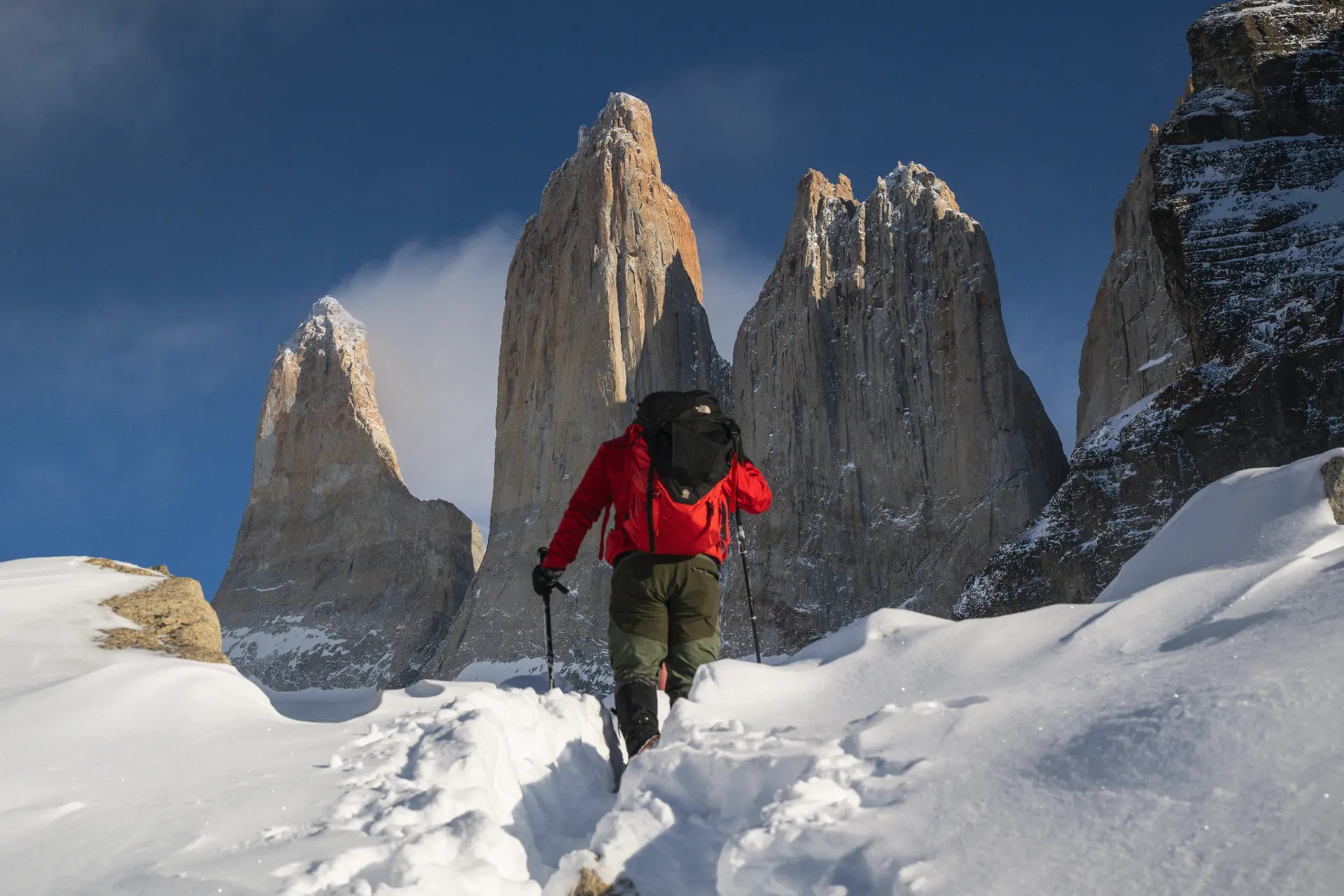
    When most people think of Torres del Paine, they picture the summer months between November and March, when the trails are filled with travelers from around the world. But the truth is that winter (May to September) is a magical season to discover the park from a completely different perspective.

    The big question is: can you visit Torres del Paine in winter?

    The answer is yes, and it’s a unique experience you deserve to live. Here’s why it’s worth it and what you should know before embarking on your adventure.

    Benefits of visiting Torres del Paine in winter

    1. Transformed landscapes

    The cold and snow paint the massif, glaciers, and forests in winter tones rarely seen. While it doesn’t snow every day during winter, the chances are much higher compared to other seasons. And here’s a bonus: this is the period with the least strong winds.

    1. Fewer visitors, deeper connection

    In winter, trails and viewpoints see significantly fewer visitors. This means more silence, greater intimacy with nature, and the chance to feel—at times—like the park belongs only to you.

    1. More visible wildlife

    With fewer travelers, many animals move more freely. Winter is ideal for potting pumas, foxes, guanacos, and condors. When it snows, you can observe them even better thanks to the contrasting backdrop.

    Tips for winter travel

    1. Prepare for the weather

    Temperatures are often below freezing, especially at night. It’s essential to bring layered clothing, gloves, a warm hat, and waterproof boots with good traction for snow or ice. Trekking poles are always a great companion.

    1. Plan your stay carefully

    In winter, some trails and refuges are closed for safety reasons. It’s best to check in advance which circuits are open and book ahead. In our case, we’ll have our Paine Grande and Grey refuges operational.

    1. Your experiences must be guided

    To visit the park during this season, guided tours with certified guides who know the climate and terrain changes are required. Safety always comes first.

    1. Consider daylight hours

    Winter days are shorter, so it’s advisable to make the most of daylight from early morning and plan routes that fit within those hours.

    Winter travel: an experience you deserve to live

    Visiting Torres del Paine in winter isn’t for everyone, but those who do experience a different and more authentic side of the park. It’s a journey that combines adventure, contemplation, and deep connection with nature.

    At Vértice, we’re excited to confirm our Winter Season 2026! We have the experience and knowledge to guide you through this special season, ensuring you safely enjoy everything Paine has to offer—even in its coldest version.

    Ready to embrace the Patagonian winter? Book in advance at www.vertice.travel or by emailing ventas@vertice.travel